17 November 2026
Business networking for entrepreneurs: before, during and after a conference
Business networking is not a contest to collect the most contacts. For an entrepreneur, a useful event can lead to a better answer, an introduction or a conversation worth continuing. The work starts before you arrive and carries on after you leave.
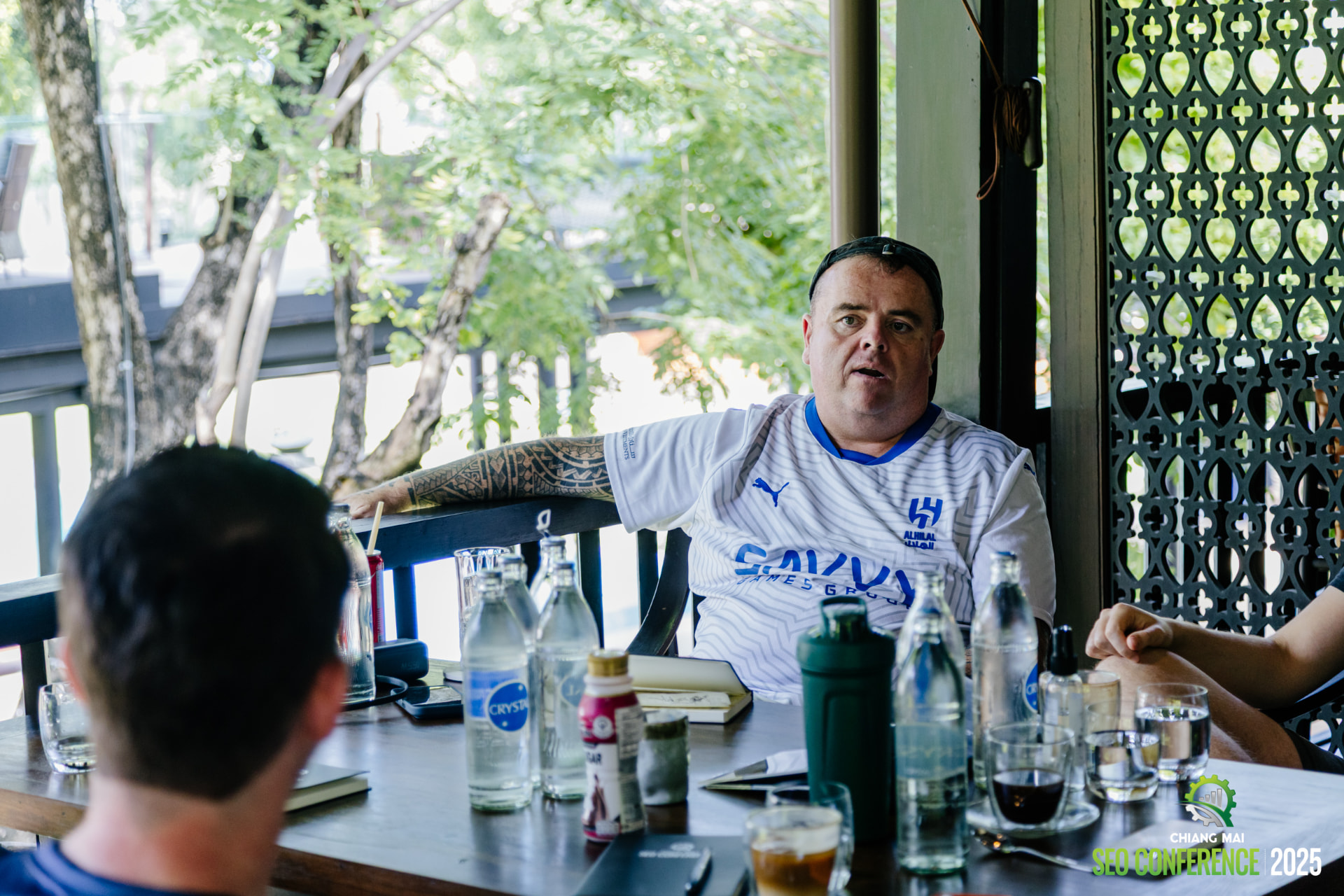
My galleries show the different settings that make up conference life: stage presentations, table discussions and conversations between sessions. This guide uses those real photographs to illustrate the setting, not to claim that any particular meeting produced a client or a deal. The checklists and messages below are suggested approaches, not accounts of private conversations.
Choose an event for the people, not just the headline speakers
Before buying a ticket, ask who you want to meet and why. An event full of potential customers is different from one where you want technical advice or collaborators. Both can be useful; neither should be judged simply by how many people attend.
Look at the agenda, the audience the organiser describes and any public speaker or exhibitor list. Add travel, accommodation and time away from the business to the ticket cost. Decide what would make the trip worthwhile without assuming it will pay for itself immediately.
A business networking preparation checklist
- Set a purpose: write one sentence, such as “find out how other small agencies handle training”.
- Pick a short list: identify a few relevant people from public information. Do not scrape private attendee details.
- Prepare an introduction: explain who you help and what you are working on in everyday language.
- Bring one useful question: ask about an issue the person is well placed to discuss, rather than making a sales pitch.
- Make your website ready: check your about page, service details and enquiry form before sharing the link.
- Choose something worth sharing: a relevant article, video or checklist is more useful than a generic brochure.
- Plan your time: leave room between sessions, and check the organiser’s arrangements for smaller discussions.
- Reserve time afterwards: block a short session to review notes and send the follow-ups you agreed.
At the conference: start a conversation, not a pitch
A simple question is often enough: “What brought you to this session?” or “Which part of that talk was most relevant to your business?” Listen to the answer. You do not need to turn every conversation towards your services.
When someone describes a problem, ask one clarifying question before offering advice. If you have a useful resource, offer to send it. Avoid promising an introduction or a solution you cannot deliver.
The Chiang Mai 2025 gallery includes stage photographs as well as conversations between sessions. That mix is a useful reminder to leave space in your diary beyond the formal programme.
Make smaller discussions count
A table discussion gives you more time to understand the question someone is asking. Bring a specific situation rather than “how do I grow my business?” For example: “We have three services but most enquiries are for the cheapest one. How would you check whether the website is confusing people?”
Protect confidential information. Do not show a client’s private analytics or name a customer without permission. A simplified, anonymous example is usually enough to make the discussion useful.
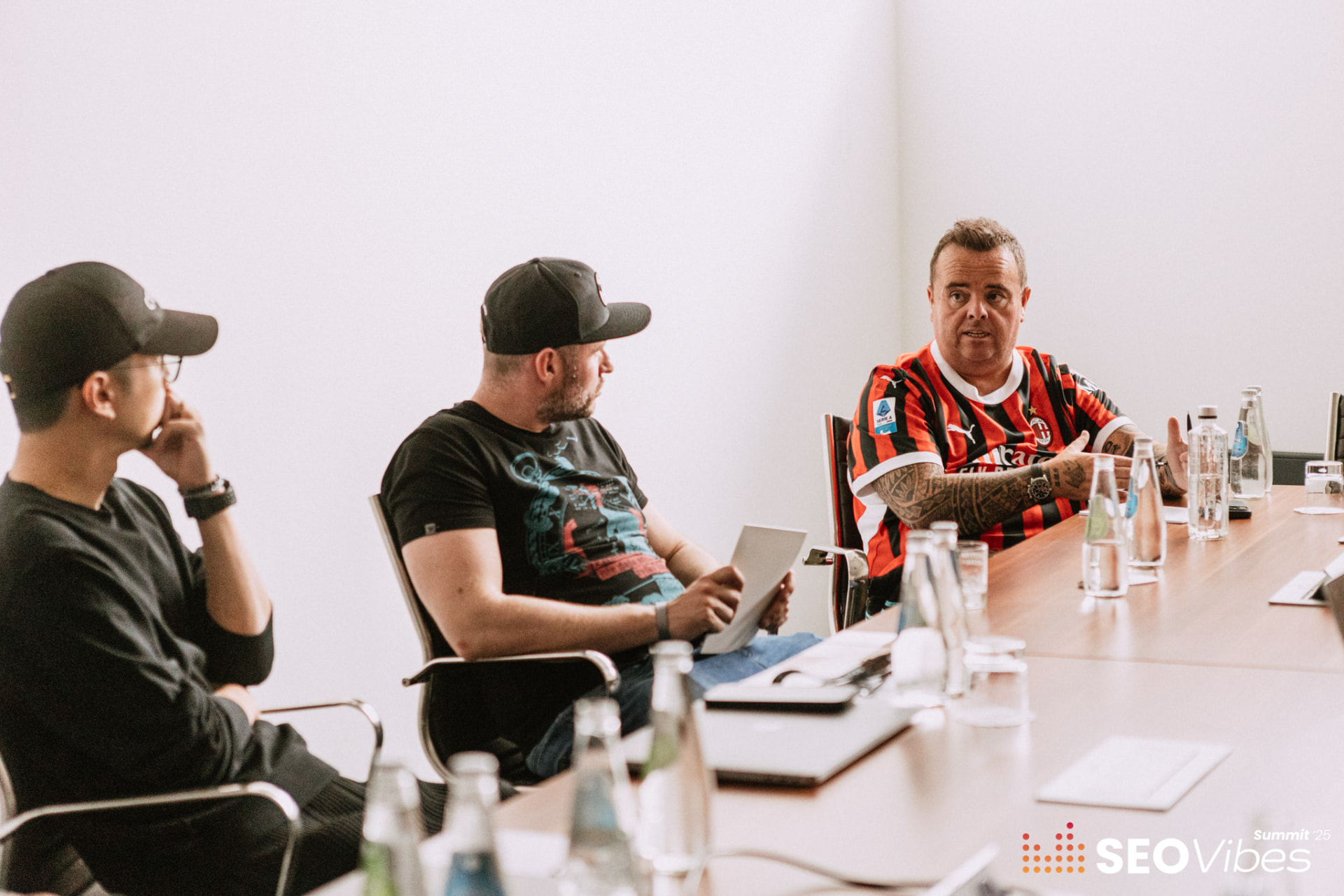
See the full SEO Vibes in Poland 2025 album for presentations, Q&A sessions and table conversations. The Lithuania 2026 gallery also includes workshop discussions. These are event records, not evidence of commercial outcomes.
Record what you agreed, with permission
After a conversation, note the person’s name, where you met, the subject and the next step you both agreed. Ask how they prefer to hear from you. A business card or LinkedIn connection is not blanket permission to add someone to a marketing list.
Keep the note factual: “send the reporting article”, not “hot lead”. If you exchange an introduction, check that both people are comfortable with it before sharing their details. For UK email outreach, see my email marketing guide and current ICO guidance.
Business networking follow-up examples
These are fictional templates. Replace the names, event and subject with what actually happened. Only offer a resource or next step that is genuinely relevant.
1. Sending the resource you promised
Subject: The SEO reporting checklist we discussed
Hi Alex,
Good to meet you at the conference. You mentioned wanting clearer reporting from your agency. Here is the reporting guide I offered to send. The section on connecting enquiries with activity may be useful for your next review.
Hope it helps,
Craig
2. Continuing a conversation about a shared problem
Hi Sam,
I enjoyed our discussion about training an in-house team. You mentioned that technical checks and content responsibilities overlap. If you still want to compare notes, would a short conversation next week be useful? No problem if your priorities have changed.
Craig
3. Making an introduction after both people agree
Hi Jo and Taylor,
You both said you would welcome an introduction. Jo is looking for help with a clearly scoped content project; Taylor works in that area. I will leave you to decide whether a conversation is worthwhile.
Craig
4. A restrained reminder
Hi Alex,
Just checking the guide reached you. If the question is no longer a priority, there is no need to reply. Otherwise, happy to point you towards the relevant section.
Craig
One polite reminder is a suggested limit, not a reason to keep chasing somebody who is not interested. Respect an opt-out immediately. Do not use false urgency or pretend that a casual chat was a commitment to buy.
What to do in the week after the event
- Send the resources and introductions you promised.
- Choose one useful idea to test in your own business.
- Record agreed next steps and any dates, rather than relying on memory.
- Separate relationship-building from sales opportunities.
- Review the event cost against useful learning and subsequent outcomes, without assigning imaginary revenue to every contact.
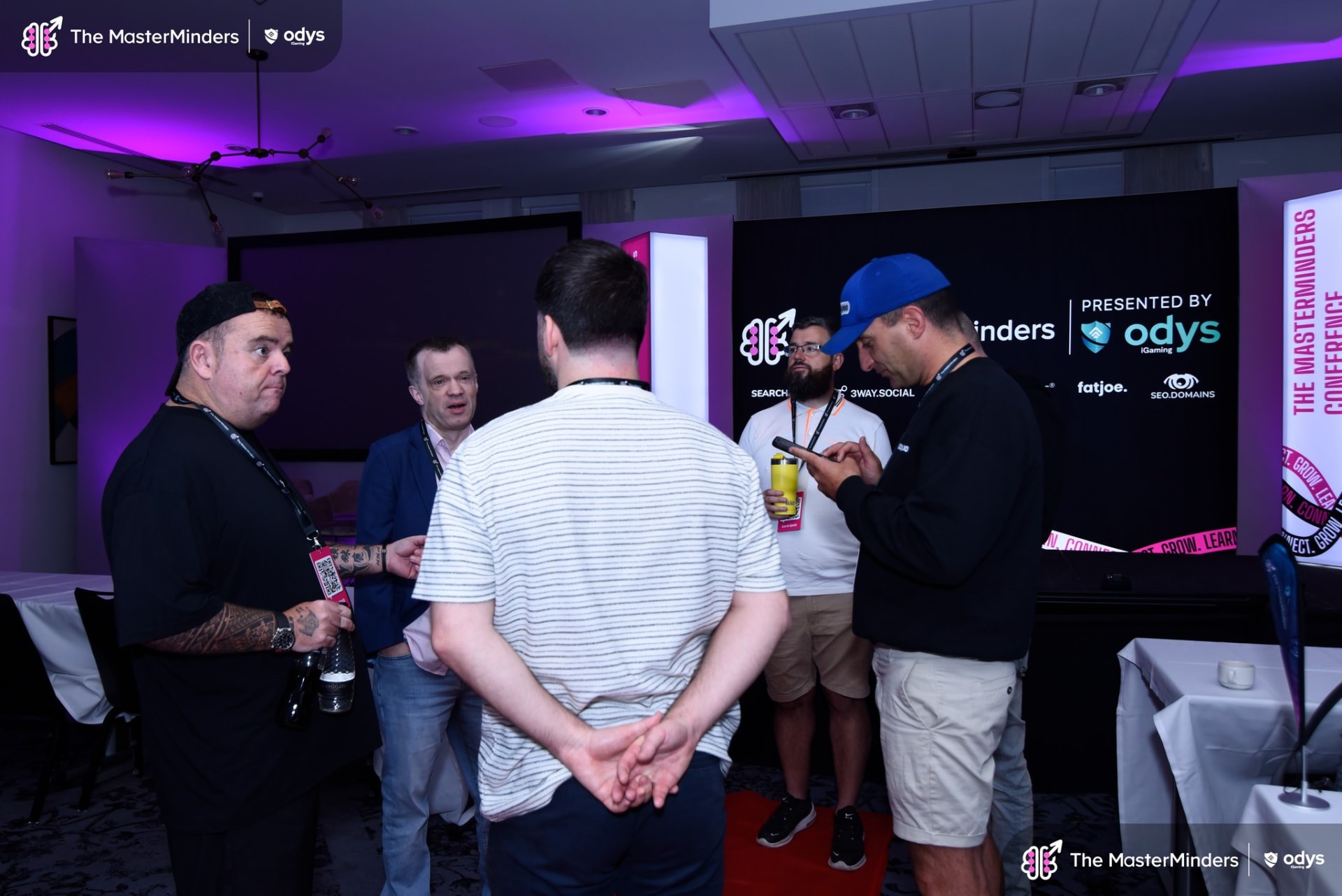
The Manchester June 2025 album brings together an interview, a stage talk and attendee conversations. You can also browse the gallery timeline to see the documented trips in date order.
How do you measure whether networking was useful?
Start with what happened, not what you hope will happen. Did you learn something you applied? Did someone make an agreed introduction? Did a relevant conversation continue? If a customer later mentions the event, record that context, but avoid treating the event as the sole cause of the sale.
A quiet event with two worthwhile conversations can be more valuable than a busy room where nobody remembers what you do. Review your purpose and the total cost before deciding whether to attend again.
Speaking and business opportunities
If you are organising a business or marketing event, my speaking page covers topics and listed events. For a keynote, workshop or podcast conversation, send a speaking enquiry with the audience, date, location and format. For help with your website after an event, explore SEO consultancy services.
Sources and further reading
- FSB: how to network effectively in person — preparation, relationship-building and follow-up.
- ICO: direct marketing and privacy and electronic communications — check the rules before turning contacts into marketing recipients.
- Craig’s event galleries — the source of the conference photographs and captions used here.