
28 November 2026
How to start a podcast: a step-by-step guide for first-time hosts
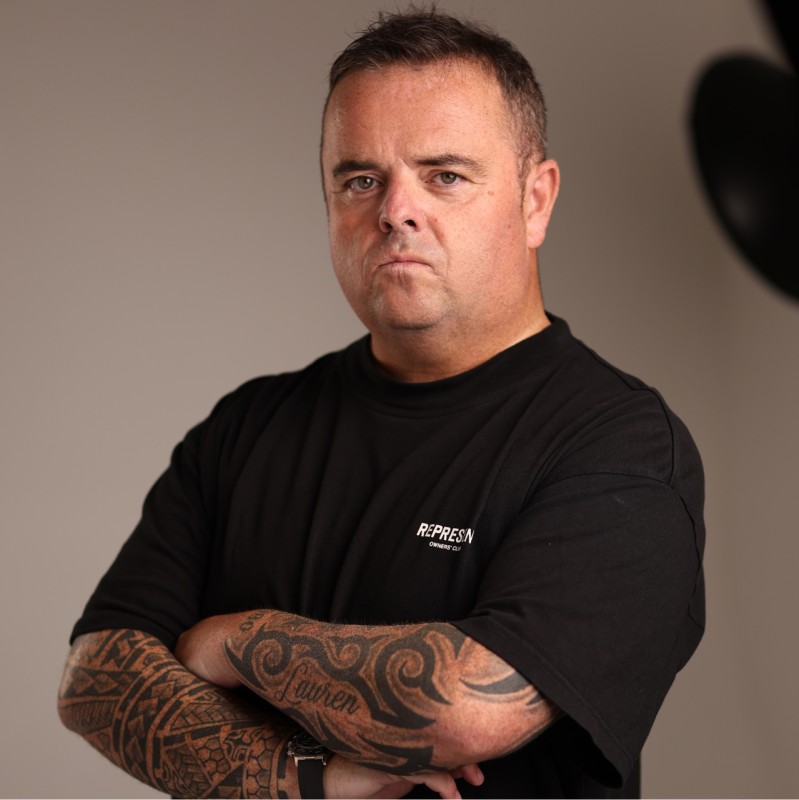
Starting a podcast is easier than ever, but keeping one going is not. This tutorial walks through the decisions that matter, from the first idea to a show people come back to. Craig hosts the Full Ninety football podcast, whose YouTube channel has 397K subscribers; the steps below are general guidance rather than a description of how that show is produced.
Step 1: Decide who it is for
Write one sentence describing your listener and what they get from each episode. “Football fans who want long-form stories from former players” is a show. “Interesting chats” is not. That sentence decides your guests, length and tone.
Step 2: Pick a format you can sustain
- Interview: a new guest each episode; needs booking time but brings fresh audiences.
- Solo: easiest to schedule; relies entirely on your own ideas and delivery.
- Co-hosted: natural conversation; needs two diaries to line up.
Choose a length and release rhythm you could keep for a year, not just a month.
Step 3: Get the audio right before the video
Listeners forgive basic visuals far more readily than poor sound. A decent dynamic USB microphone, a quiet room with soft furnishings and headphones for everyone will beat an expensive camera with an echoey room. Record a short test and listen back on a phone before every session.
Step 4: Book and brief guests
Approach guests with a clear, short request: who the audience is, roughly what you want to cover, how long it takes and whether it is in person or remote. Send a reminder the day before. A relaxed guest gives a better conversation, so spend the first few minutes chatting off the record.
Step 5: Edit lightly and publish everywhere sensible
Cut long pauses, false starts and anything the guest asks to remove, but keep the conversation’s natural flow. Publish the full episode on YouTube if you film it, and use a podcast host to distribute audio to the main listening apps. Short clips of the best moments help new people discover the full episode.
Step 6: Plan for episode eleven
Many shows stop after a handful of episodes. Keep a running list of guest ideas, record a few episodes ahead and review what listeners respond to every month. The guide to building an audience online covers that growth side in more depth.
For podcast appearances or media enquiries, use the enquiry form.