Digital PR & press
Digital PR that earns attention
A useful story beats a bigger mailing list. Give journalists a clear angle, evidence they can check and a reason their readers should care.
What digital PR is — and what it isn’t
Digital PR puts a business, expert or original finding in front of relevant online publications. That might mean a journalist quoting your experience, a local paper covering your research or a trade title explaining a problem your customers face. The editorial decision belongs to the publication.
Coverage can introduce people to your business and sometimes earns a relevant link. It is not a guaranteed backlink package. A mention without a link can still be valuable; a link on an unrelated site may bring very little useful attention. Start with the audience you want to reach, not a target number of links.
For a small business, the strongest starting point is often something close to the work: questions customers keep asking, a change affecting your sector or a properly documented analysis. You do not need to invent a national survey to contribute a helpful local story.
Journalist outreach
Make the story easy to assess
01 / Find the right journalist
Read their recent work and check their current beat. A reporter covering Scottish small businesses needs a different angle from an international search-marketing editor. Use their published professional contact details and preferred pitching channel, rather than guessing private addresses or sending the same email to an entire newsroom.
02 / Lead with the news, not your business
Explain what has changed, who it affects and why it matters now. ‘We have launched a website’ is usually weaker than a sourced finding about a problem readers recognise. If your angle is expert comment rather than new research, say so. Do not describe a routine opinion as an exclusive discovery.
03 / Show the evidence
Link to the original source material. For your own research, include the collection dates, sample size, selection method and limitations. Remove personal or confidential customer information. A small sample can be useful if labelled honestly; it cannot support sweeping claims about every UK business.
04 / Keep the pitch focused
Use a specific subject line, a short opening tied to their coverage, the central finding and one clear question. Link to background and images rather than attaching a large bundle. Tell the journalist what is available — a quote, an interview or a dataset — and confirm the expert’s availability before offering it.
05 / Follow up with restraint
Respect the reporter’s instructions and deadlines. If they have not asked you to avoid follow-ups, one brief, relevant follow-up can be enough. Do not chase through several channels, add them to a marketing list or continue after a request to stop. An embargo or exclusive only exists when the terms have been agreed.
06 / Be useful after the reply
Answer the actual question, meet the agreed deadline and distinguish facts from opinions. Supply a named spokesperson, their role and the source behind any statistic. Clarify factual mistakes politely, but do not assume you can approve the final article, dictate its headline or insist on a followed link.
A pitch you can adapt
This is a template, not a real campaign or a claim about Craig’s clients. Replace each bracketed item with information you have checked.
Subject: [Specific finding] affecting [publication’s audience]
Hi [name], your article on [topic] raised [specific issue]. We have [original evidence or relevant experience] that may help your readers understand [practical consequence].
The source material is [link], with [dates, sample and method]. [Named expert] can discuss [specific question] during [confirmed availability and time zone].
Would a short comment or the supporting material be useful?
Measure more than the link count
Record the publication, story URL, coverage date, subject, mention and any link. Check whether the audience is relevant, then use your analytics to review referral visits and meaningful actions such as enquiries. Separate earned coverage from paid placements and compare the effort with the value of the conversations it brings.
Ranking changes alone do not prove PR caused an improvement: content, technical changes and seasonality can move at the same time. Use a baseline, record other work and be honest about attribution. Craig’s SEO reporting guide explains how to keep outcomes separate from activity.
For journalists & producers
Craig Campbell press kit
Craig Campbell is a Glasgow-based entrepreneur, digital marketing expert, SEO educator, international speaker, podcast host and actor. His work spans SEO consultancy and training, online businesses and international conferences. His business and SEO YouTube channel is separate from Craig Cam Cards, his football podcast and card business. His screen work includes Crime Lord.
Craig began working from home in 2001, learning SEO through testing and his own projects. He went on to run a digital marketing agency until 2015 before focusing more closely on consultancy, training and online ventures. Based in Glasgow, his work includes affiliate marketing and digital assets, business and SEO education on YouTube, and speaking at international events. Separately, he hosts the Craig Cam Cards football podcast and live football-card streams on Whatnot. His screen work includes Crime Lord, in which he plays Johnny Dallas; his IMDb profile provides the wider credit record.
- Business & SEO YouTube
- 1.4 million subscribers
- Craig Cam Cards YouTube
- 342K subscribers
Separate channels. Owner-confirmed figures, not a live feed; check before publication.
The download includes short and extended biographies, photo and published video links, interview subjects, contact details, an outreach template and a draft press release. Confirm image reproduction, cropping and credit requirements with Craig before use.
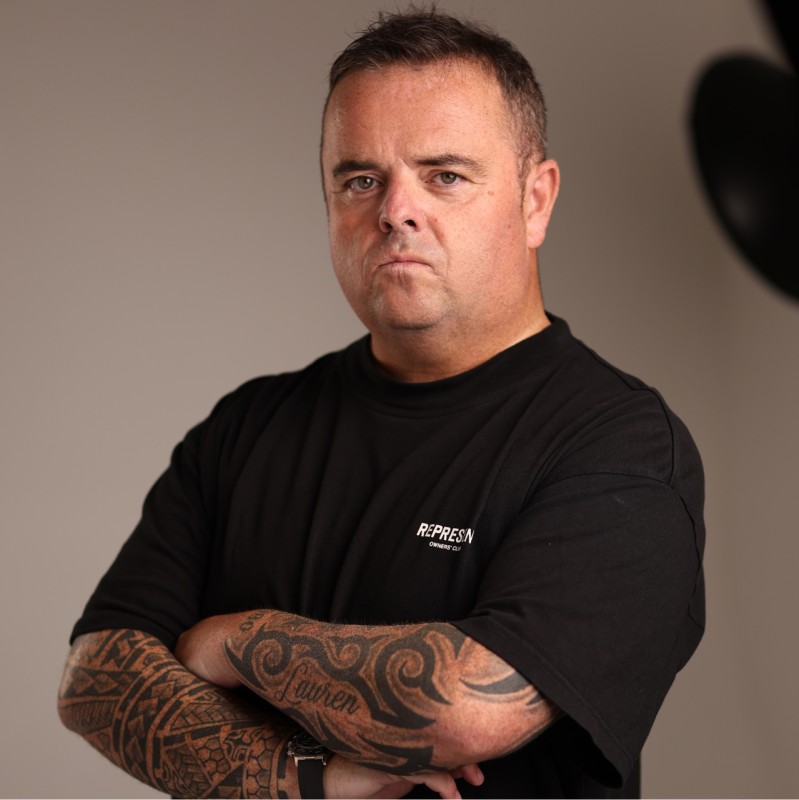
Photo selection
Studio portrait Crime Lord
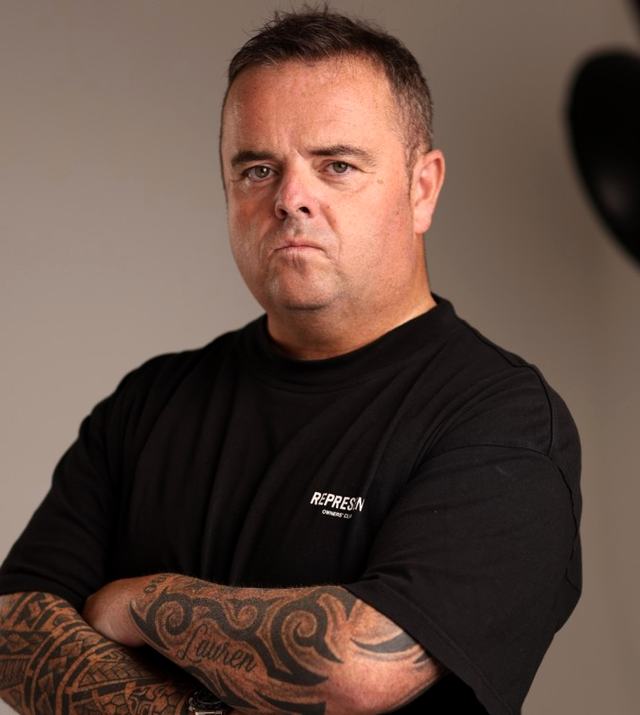 Alternative portrait
Published video conversations
Original business and SEO recordings featuring Craig, not a new showreel. Confirm permission before editing or redistributing excerpts.
- How to Success with eCommerce SEO with Kristina Azarenko
- Affiliate Marketing Content Writing Services with Jenny A
- How to Make Money with Website Flipping [with Shawna Newman]
- Buying and Selling Websites (Easy Wins) with Mushfiq
Press release
Craig Campbell brings digital PR advice and press resources together on his website. A factual announcement about these new resources, without invented quotes or client results. Draft for Craig’s approval; release date and distribution remain to be confirmed.
Download draft press releasePress & interview enquiries
Include your publication, proposed subject, deadline and time zone, interview format and any images or quotes you need. Availability and response times must be confirmed.
Further reading
- Muck Rack: Guide to Media Pitching
- Muck Rack: How to use data in a PR pitch
- Cision: What journalists wish PR professionals knew
Guidance reviewed November 2026. No coverage, backlink or ranking guarantee.